






Butterfly valves are widely used in water treatment, HVAC, marine, and industrial piping systems due to their compact design and efficient flow control. Among the common configurations, double flange butterfly valves and single flange butterfly valves differ significantly in structure, installation method, and application scope.
1. Structural Design
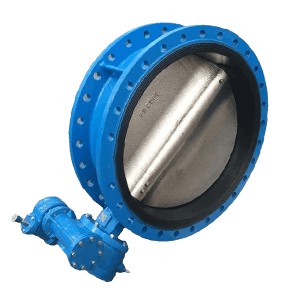
A double flange butterfly valve features flanges on both sides of the valve body. These flanges are drilled according to international standards (ANSI, DIN, JIS, etc.), allowing direct bolting to mating pipe flanges.
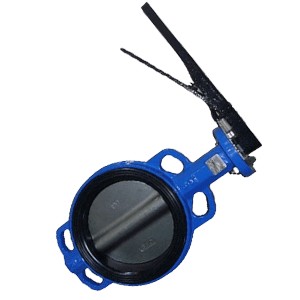
A single flange butterfly valve, often referred to as a lug-type butterfly valve, has threaded lugs on the valve body. Bolts pass through the pipe flanges and screw directly into the valve lugs.
2. Installation and Pipe Support
Double flange butterfly valves are installed between two flanged pipes and provide excellent alignment and pipe support. Their robust structure allows them to handle larger pipe diameters and higher mechanical stress.
Single flange butterfly valves allow end-of-line service, meaning one side of the pipeline can be disconnected while the other remains pressurized—an advantage for maintenance and isolation.
3. Pressure Rating and Size Range
Double flange butterfly valves are typically used in large-diameter pipelines and can accommodate higher pressure ratings.
Single flange butterfly valves are more common in medium-sized systems where flexibility and space-saving installation are priorities.
4. Applications
Double Flange Butterfly Valves
Water treatment plants
Marine and shipbuilding systems
Large industrial pipelines
Single Flange Butterfly Valves
HVAC systems
Fire protection systems
Pump isolation and maintenance lines