







1. Начните с размера трубы — но не останавливайтесь на этом
Ножевые задвижные клапаны обычно устанавливаются полного размера линии, что означает труба DN100 → клапан DN100.
Однако это только отправная точка, потому что:
Суспензии ведут себя иначе, чем чистые жидкости.
Поток может нуждаться в управлении, а не только в перекрытии.
Клапаны недостаточного или избыточного размера могут вызвать засорение или износ.
Правило: Соответствуйте размеру клапана размеру трубы, если особые условия не требуют иного.
2. Поймите свою среду (это критически важно)
Ножевые задвижные клапаны превосходно работают в сложных средах, поэтому тип среды напрямую влияет на подбор размера.
Задайте себе следующие вопросы:
Среда чистая, волокнистая, абразивная или густая?
Содержит ли она твердые частицы, и если да, то сколько (%)?
Какой размер частиц?
Почему это важно:
Густые или содержащие много твердых частиц среды могут потребовать увеличенных размеров отверстия для снижения засорения.
Очень абразивные жидкости могут потребовать определенных типов уплотнений и покрытий, а не изменения размера.
Волокнистые среды могут потребовать полнопроходных конструкций для обеспечения правильного резания и закрытия.
✔ Если ваша среда склонна к осаждению или легкому засорению, рассмотрите варианты с полным проходом или увеличенным размером.
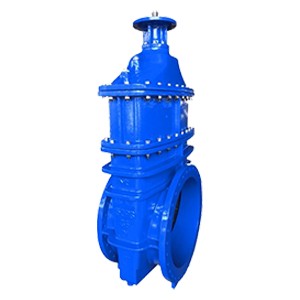
3. Проверьте требования к потоку (значения Cv / Kv)
Для обеспечения надлежащей пропускной способности проверьте рейтинг Cv (США) или Kv (ЕС) клапана.
Высший Cv/Kv = больший поток при заданном перепаде давления.
Учтите:
Требуемая минимальная и максимальная скорость потока
Допустимый перепад давления на клапане
Будет ли клапан использоваться только для изоляции или также для дросселирования
Ножевые задвижные клапаны в первую очередь являются запорными клапанами, не предназначенными для точного дросселирования, но подбор размера все равно должен поддерживать требуемый поток.
✔ Если ограничения потока вызывают беспокойство, убедитесь, что выбранный размер обеспечивает достаточную пропускную способность.
4. Обратите внимание на рабочее давление и конструкцию системы
Ножевые задвижные клапаны — особенно фланцевые и межфланцевые типы — имеют ограничения по давлению.
При подборе размера убедитесь, что:
Размер клапана соответствует классу давления системы (PN10, PN16, ANSI 150 и т. д.)
Большие клапаны не превышают допустимые рейтинги давления
Система не создает чрезмерного перепада давления при открытом клапане
✔ Большие клапаны иногда могут означать более низкие рейтинги давления, поэтому сверьтесь с таблицами производительности.
5. Оцените ограничения установки
Подбор размера касается не только жидкости — но и места установки клапана.
Учтите:
Доступность габаритного размера по длине
Место для монтажа привода
Будет ли использоваться ручной, пневматический или электрический привод
Вертикальная или горизонтальная ориентация трубы
Зазор для обслуживания
✔ Убедитесь, что физический размер соответствует реальной установке.
6. Учтите тип ножевого задвижного клапана
Однонаправленный клапан
Предназначен для потока в одном направлении
Более высокая эффективность уплотнения
Обычно того же размера, что и трубопровод
Двунаправленный клапан
Обрабатывает поток с обеих сторон
Необходим для трубопроводов с суспензиями
Может потребовать немного большего размера из-за конфигурации седла
Полнопроходной vs. суженный проход
Полнопроходной → лучше всего подходит для суспензий и твердых частиц
Суженный проход → может снизить стоимость, но увеличивает риск засорения
✔ Для суспензий всегда выбирайте полнопроходной, одно- или двунаправленный клапан в зависимости от направления потока.